Mind Mapping for Remote Team Collaboration
Remote work has become a defining feature of modern workplaces, offering flexibility and access to global talent. However, it also presents unique challenges, such as miscommunication, disengagement, and disorganized workflows. These challenges can lead to decreased productivity and strained team dynamics if not addressed effectively. Mind mapping emerges as a solution, providing teams with a clear, visual, and collaborative way to organize ideas, align on goals, and enhance workflows.
The Challenges of Remote Collaboration
Remote work has transformed the way teams operate, presenting both opportunities and obstacles. While it has opened doors to greater flexibility and diverse talent pools, it has also introduced challenges that can hinder productivity. Among the most significant hurdles are:
- Miscommunication: Without face-to-face interaction, messages can easily be misinterpreted, leading to misunderstandings and delays.
- Disorganization: Remote teams often struggle to maintain a clear structure for managing tasks, goals, and deadlines.
- Lack of Engagement: Team members working in isolation can feel disconnected from their colleagues, resulting in reduced motivation and collaboration.
These issues highlight the need for tools and techniques that facilitate seamless communication, foster engagement, and promote clarity. Mind mapping is one such tool that addresses these challenges by enabling teams to visualize ideas, organize workflows, and maintain alignment.
Map your ideas faster, together.
Turn brainstorming sessions into structured plans instantly. AI-powered mind mapping for teams who need to think bigger and move faster.
Start Free Trial
What is Mind Mapping?
Mind mapping is a versatile and interactive method for organizing information. It provides a visual representation of ideas, tasks, or objectives, structured around a central concept. Using branches, mind maps connect related topics, creating a cohesive overview of a discussion or project. This visual format not only organizes information effectively but also promotes creative and holistic thinking.
Unlike traditional collaboration tools like lists or spreadsheets, mind maps offer an intuitive and dynamic way to capture and structure information. The interactive nature of mind mapping encourages active participation, making it an ideal solution for remote teams striving to stay connected and aligned.
Benefits of Mind Mapping for Remote Teams
Mind mapping’s structured yet flexible format offers several advantages for remote teams:
- Simplified Workflows: Breaking down complex projects into manageable components ensures clarity and focus. Teams can visualize dependencies and sequence tasks, reducing the likelihood of missed deadlines or overlapping efforts.
- Enhanced Engagement: The visual and interactive nature of mind maps keeps participants engaged, fostering active involvement. Real-time collaboration in mind mapping sessions helps team members feel connected and valued, mitigating feelings of isolation.
- Improved Communication: By presenting ideas visually, mind maps reduce the risk of misunderstandings, as everyone can see and comprehend the same information. This clarity is particularly beneficial for distributed teams operating across different time zones and cultural contexts.
- Centralized Information: Mind maps serve as a single source of truth for projects, consolidating ideas, objectives, and updates in one place. This centralization reduces the need to sift through multiple emails or documents to find critical information.
Applications of Mind Mapping in Remote Work
Mind mapping has a wide range of applications that can transform how remote teams collaborate. Teams can use mind maps to generate and organize ideas during brainstorming sessions. By visually capturing thoughts and connections, mind maps create a shared understanding of the discussion and ensure that all contributions are acknowledged. Mind maps can outline project objectives, timelines, and responsibilities, providing a clear roadmap for all team members. For instance, a project manager can use a mind map to define the project’s scope, assign tasks to specific team members, and visualize deadlines and milestones.
Instead of relying on long, static meeting minutes, teams can use mind maps to capture key takeaways and follow-up tasks in real-time. These maps can be shared with participants to ensure accountability and clarity. Mind mapping tools allow managers to assign and track progress visually. By breaking down objectives into smaller tasks, teams can easily see what’s been completed and what remains, keeping everyone aligned.
A variety of digital tools make mind mapping accessible and effective for remote teams. When selecting a tool, consider your team’s specific needs. For example, some platforms prioritize simplicity and ease of use, while others offer advanced functionalities like task tracking and Gantt chart integration. Experimenting with different tools can help your team find the best fit.
Best Practices for Effective Mind Mapping
To maximize the benefits of mind mapping, it’s essential to follow these best practices:
- Keep Maps Concise: Avoid overloading the mind map with excessive information. Focus on key ideas and use branches to represent related concepts clearly and succinctly.
- Use Visual Elements: Incorporate colors, icons, and images to differentiate tasks, priorities, and categories. This not only enhances the visual appeal but also makes the map easier to interpret.
- Update Regularly: Ensure that mind maps reflect the latest project status by marking completed tasks, adding new priorities, and revising objectives as needed. Establish guidelines for how and when updates should be made.
- Provide Training: Conduct training sessions to familiarize team members with mind mapping tools and techniques. This ensures everyone understands the tool’s potential and feels confident using it.
Real-Life Examples of Mind Mapping Success
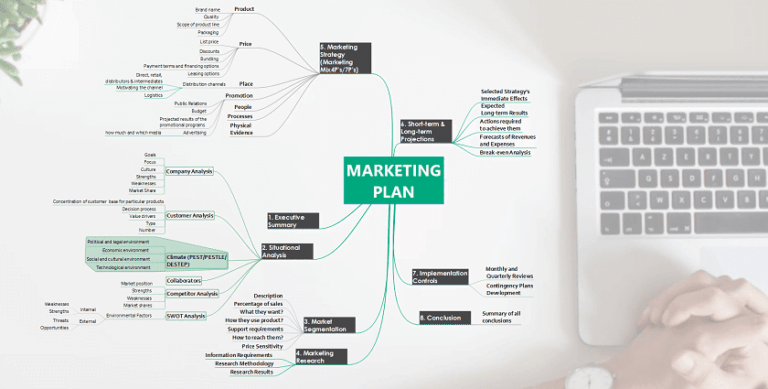
Consider a marketing team working remotely to launch a new product. By using a mind map, they outlined their marketing strategy, including key channels, target audiences, and timelines. They assigned responsibilities for each task, ensuring clarity on roles. They also tracked progress in real-time, making updates as tasks were completed. This approach not only streamlined their workflow but also fostered a sense of teamwork and shared accountability.
Another example involves a software development team managing a complex project with multiple dependencies. By visualizing the project’s structure in a mind map, they identified critical paths and potential bottlenecks, coordinated tasks across different team members and time zones, and reduced delays by ensuring everyone understood the project’s priorities.
Final Thoughts
Mind mapping offers a powerful and versatile solution for overcoming the challenges of remote collaboration. By integrating this tool into their workflows, teams can enhance communication, boost engagement, and maintain alignment, regardless of physical distance. Whether used for brainstorming, planning, or tracking tasks, mind mapping fosters a sense of connection and shared purpose, helping remote teams thrive.
As remote work continues to evolve, mind mapping will remain an invaluable tool for building productive and cohesive teams. By embracing this approach, organizations can navigate the complexities of remote collaboration with greater confidence and success.

The Synami team is the collective voice behind Synami’s project management solutions, providing guidance, tips, and industry expertise to help teams plan, manage, and deliver projects more effectively.