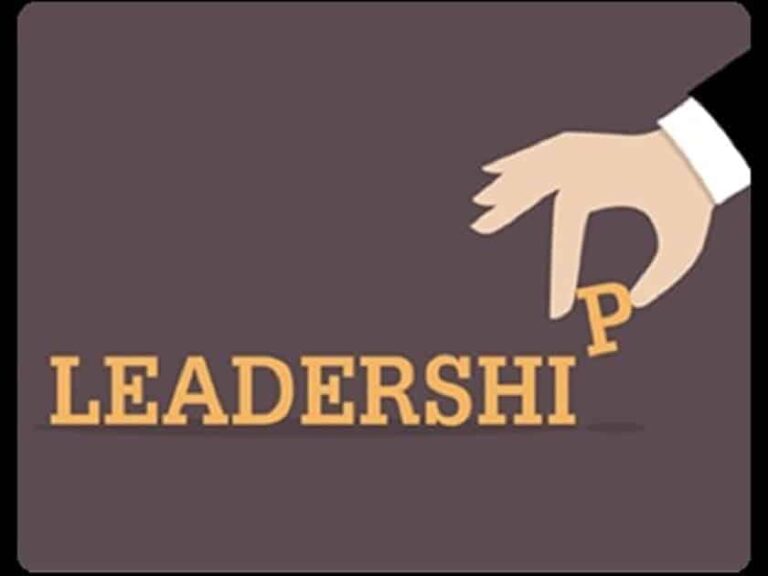

8 Steps You Can Do Today To Be A Better Leader
Great leaders are not made overnight. Developing leaders is not dependent on skills or natural charisma or both. Neither is it all about authority nor responsibility. The length of time invested is not a guarantee nor is youth a disability. A great leader is not measured by age, experience, position, scope of authority, or popularity. It takes so much more.
One leadership survey conducted among team members showed that the ability to connect with the team and a high emotional quotient are the most important competencies a leader must-have. Innovative leaders who come up with ideas or skilled leaders who have a solution for every problem are not the most desired of leaders. The study showed that leaders who motivate their team are the favorite. In short, leaders who make more leaders (not more followers) are ideal. Leaders and good mentors are essential for career growth. Team members need leaders and mentors who can drive their team to be better at what they do and make them better persons as well.
But it takes more than just a moving speech to motivate a team. It takes more than just constant mentoring to be considered a good leader. No, the highest academic degree does not have “leader” written all over it. Understand that it takes the right intentions — genuine concern for the team members, drive to win, and consistency — to become a good team leader. While there is no formula, there are ways that you can start doing today to become a better leader.
Map your ideas faster, together.
Turn brainstorming sessions into structured plans instantly. AI-powered mind mapping for teams who need to think bigger and move faster.
Start Free Trial

Listen and engage
Actively listening is crucial in every work environment, more so with leaders. Among the first steps to being a good leader is to realize that no one wants to hear you preach every day. You have to listen. Don’t just listen when a team member talks to you during a forum or a meeting. Go out of your way to actually understand what everyone thinks. Pull them to one side or talk about their insights over a cup of coffee to make the environment less intimidating. Talking and listening to your employees and team members will make them feel more valued. An open and collaborative discussion will also help build a level of trust, not to mention earn you valuable insights about the operations and the company as a whole.

Tell them your story
People want to know where you are coming from. Tell them your own story. Stories are relatable, interesting, and personal. When introducing yourself, try using a narrative to illustrate your style of leadership and management. When presenting the team goals and objectives, get their attention and keep them interested by telling a story. It could be your own story, someone else’s story, or a hypothetical one to show how to address problems and come up with solutions. Use storytelling to present daunting and complex projects and objectives in a simple and personal way. Storytelling will not only make team members care more, but it will also improve your conversational and problem-solving skills as a leader.
Be a mentor
No two employees are the same. Needs and dreams vary. Mentoring employees can help you become a good leader because you dare to be more precise, direct, and personal. You have to work with each one of the team members more internally. Give honest feedback regularly, get their insights, show them how to do things better, and constantly work with them. Mentoring shows that you are accessible and genuinely care about their personal and professional growth.
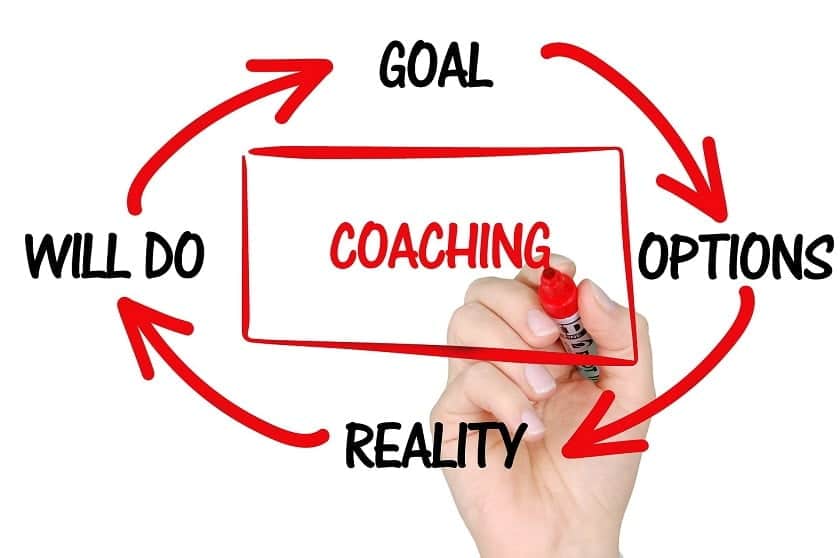
Be creative and try something new
There is some comfort in the consistent and the familiar. However, do not lose sight of new things and opportunities. Integrate new ideas in the way you work, in the team’s processes, and in your strategies. This shows that you are open to new ideas and will inspire team members to think, pitch, and be involved. Do this during one of your meetings and you will be surprised at the amount of creativity that your team actually has.
Say “thank you” and “sorry”
When your team did a job really well, say “thank you.” This simple gesture could mean everything to them. An employee appreciation survey by Glassdoor showed that 4 out of every 5 employees or 81%, said they are motivated to work harder if their boss showed more appreciation. More than half said they will stay longer in a company where managers know how to show gratitude.
Feeling appreciated makes wonders to a person’s confidence. Establishing a work environment that knows how to show gratitude also makes people more positive and more humble in their efforts. As a manager or leader, you must be quick in giving positive feedback but slow in delivering criticism. Doing this will also make you feel good.
Aside from saying “thank you” or “job well done,” you must also see the value in saying “sorry” because you are not perfect, you don’t know everything, and you also make mistakes. Never claim that a misunderstanding or miscommunication happened when it is clearly you who got it wrong. And never blame your team for something you did or didn’t do.
Saying sorry doesn’t make you weak. If at all, apology makes you look stronger. A wrong sense of authority and pride may hinder you to accept that you don’t know everything. But one thing you can do today to make you a better leader is to be humble and accept your own shortcomings. When you are too proud, you will only keep jumping to conclusions and desperately try to train people even if you are ill-equipped. Study, ask for help, and admit to yourself and to your team that you are also a work in progress.

Embrace failures but glorify success
You will lose and you will win. A good leader must know how to deal with both. Relish when you scored a big project or exceeded quota. Celebrating is a good way of motivating. It shows that effort and hard work do not go unnoticed. At the same time, you have to have the right attitude toward failures. Use them as motivators, too. Do not make the mistake of staying too long at a job just because you don’t want to fail. Know when to pull the plug and welcome other opportunities.
Delegate and trust
A leader must know how to delegate the right task to the right person. A leader who thinks he is capable of doing everything better than any of his staff is no leader at all. The key to this very important leadership skill is knowing every team member’s strengths and building on them. This will improve productivity and add more fun since everyone is assigned to a task they are most effective at. In the long run, you also show your team that you trust and believe in them.

Build leaders, not followers
A good leader does not obsess about having more followers. A good leader is one that creates more leaders. If you leave a company and you can’t even recommend one member of your team to replace you, then you have failed. While you’re at it, share what you know. Don’t be selfish. That’s the first step to being a good leader. Build on your team’s strengths and work on their weaknesses. Make them more confident. Show them how to lead.
It’s tough trying to be a good leader. But it is very rewarding. Just make sure you have your intentions and motivations right. There is no perfect formula or a deadline, just be more consistent with being a good one until it comes naturally to you!

The Synami team is the collective voice behind Synami’s project management solutions, providing guidance, tips, and industry expertise to help teams plan, manage, and deliver projects more effectively.